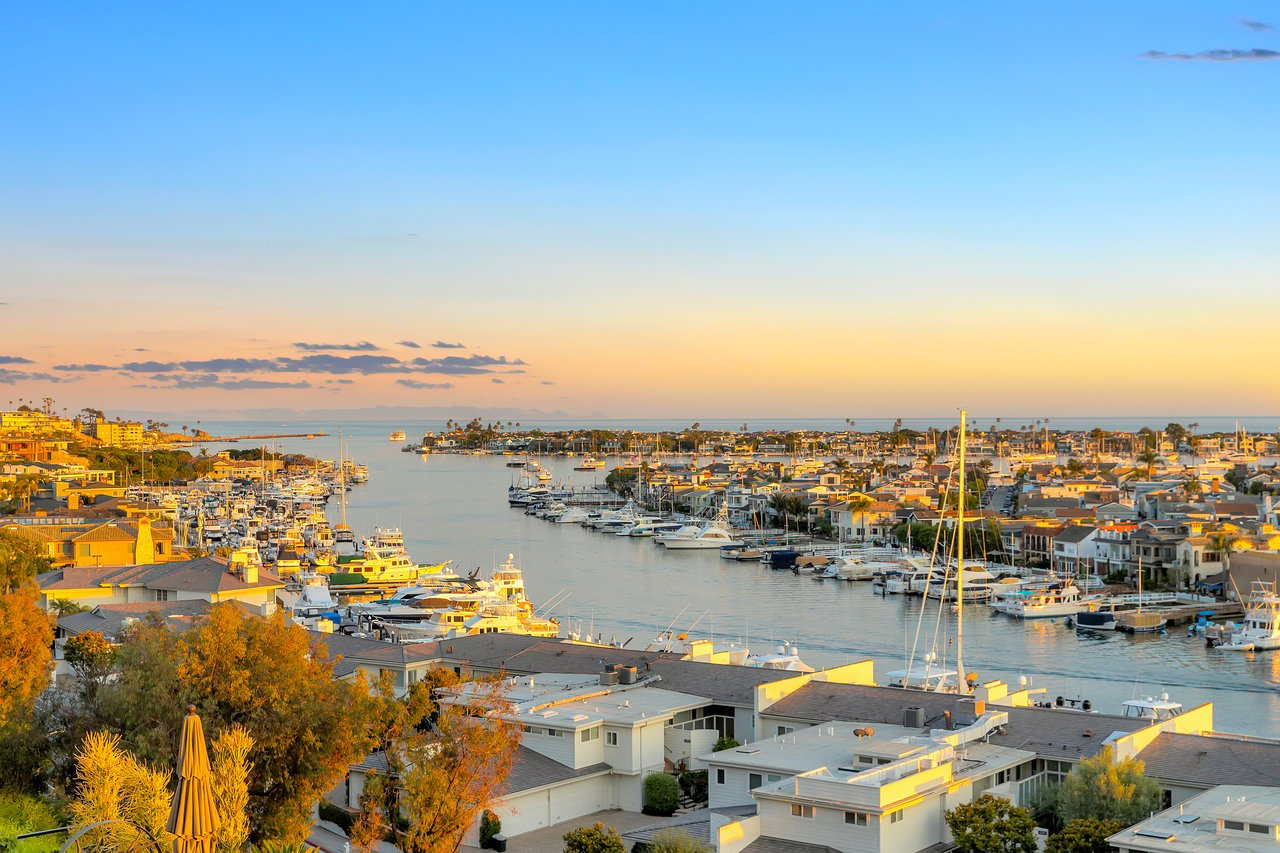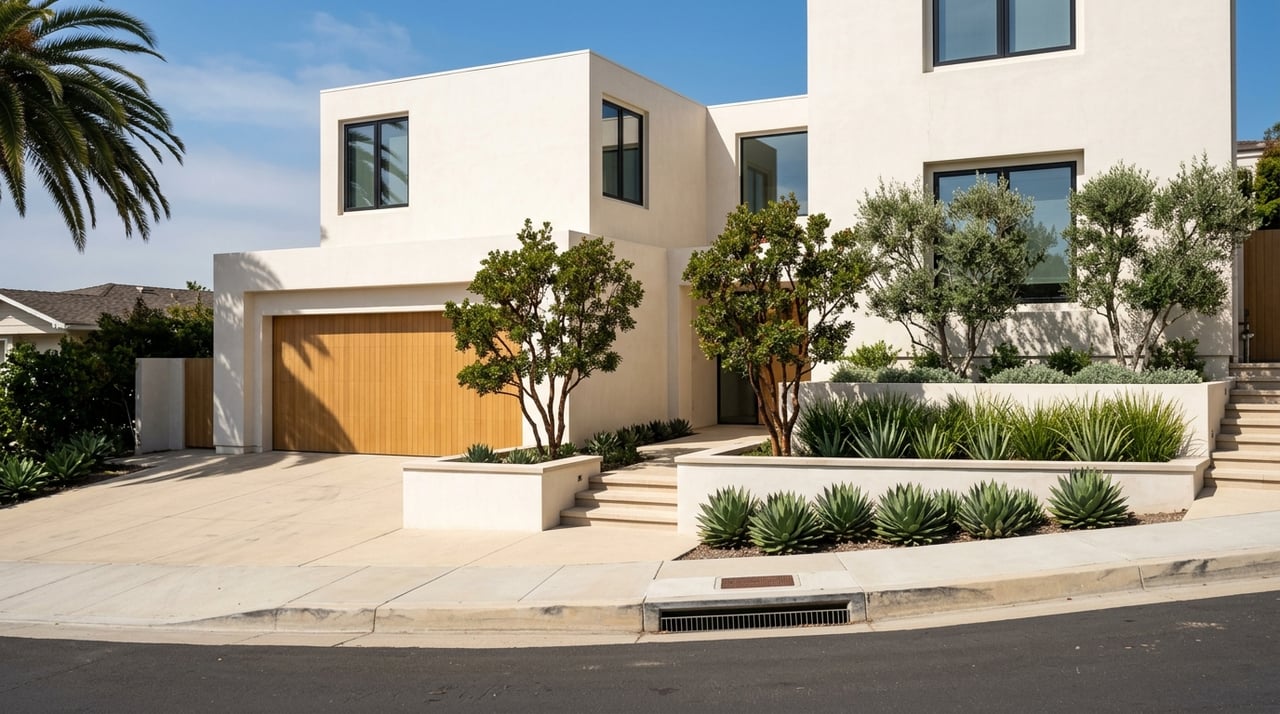
If you picture Newport Coast as all scenery and no day-to-day rhythm, think again. This part of coastal Orange County blends ocean access, preserved open space, planned residential enclaves, and polished lifestyle amenities in a way that feels both tucked away and closely connected. If you are considering a move here, understanding how life actually flows from morning trail time to afternoon errands can help you decide whether the fit is right for you. Let’s dive in.
Newport Coast at a Glance
Newport Coast is a 9,493-acre planned community between Newport Beach and Laguna Beach, stretching from the Pacific Ocean to the San Joaquin Hills ridge. City planning documents describe it as a coordinated, comprehensive community with significant residential and open-space planning.
That planning framework helps explain why Newport Coast often feels different from other coastal areas. Private streets, residential support facilities, parks, recreation centers, swimming pools, tennis courts, clubhouses, and riding, hiking, and bicycle trails all play a role in shaping the area’s enclave-like atmosphere.
What Coastal Enclave Living Feels Like
Everyday life in Newport Coast tends to feel intentional rather than busy. Instead of centering around a traditional downtown grid, the rhythm often revolves around residential privacy, outdoor access, and a handful of well-known lifestyle destinations.
In practical terms, that can mean your week includes scenic drives, trail outings, beach visits, and errands or dining around nearby retail hubs. The result is a setting that feels secluded, but not isolated.
Outdoor Living Shapes the Routine
One of Newport Coast’s biggest lifestyle advantages is how closely daily life connects to open space. For many buyers, that is not just a backdrop. It is part of how the day begins and ends.
Crystal Cove Brings Big-Nature Access
Crystal Cove State Park is one of Orange County’s largest remaining examples of open space and natural seashore. According to official state park materials, it includes 3.2 miles of beach, 2,400 acres of backcountry wilderness, tidepools, sandy coves, rocky reefs, ridges, canyons, and year-round interpretive programs.
That range gives you more than a simple beach day option. You have access to hiking, mountain biking, and equestrian use, which broadens the lifestyle well beyond the shoreline.
The park’s Historic District adds another layer of character. It includes 46 vintage rustic coastal cottages on the ocean side of Pacific Coast Highway, and the Los Trancos entrance is identified as an access point from Newport Coast.
Buck Gully Offers Local Trail Time
For a more neighborhood-scale outdoor option, Buck Gully Reserve is a meaningful part of everyday life. The City of Newport Beach describes it as a 254-acre reserve with trails for walking, running, hiking, and biking, along with regular naturalist-led activities.
The city lists the Buck Gully Trail at 2.55 miles and the Bobcat Trail at 0.68 mile. That makes Buck Gully a practical choice when you want an easier outing close to home instead of a longer state park excursion.
Beach Access Is Part of the Lifestyle
Newport Beach says its city beaches extend more than eight miles from the Santa Ana River jetty to Crystal Cove State Park. Public beaches are open from 6 a.m. to 10 p.m., while Crystal Cove beaches close at sunset.
That matters because beach time here can be woven into a normal weekday, not saved only for weekends. At the same time, access is public, and busy days can require a little more planning around parking and timing.
Shopping and Dining in Daily Life
Newport Coast is not defined by a walk-everywhere village center. Instead, shopping and dining tend to happen through a curated set of nearby destinations that support a polished coastal routine.
Fashion Island Anchors Errands and Leisure
Fashion Island is the retail and dining anchor most people associate with the area’s everyday convenience. Its official materials describe it as an open-air coastal lifestyle destination with more than 150 shopping and culinary experiences, concierge service, and notable department stores including Bloomingdale’s, Nordstrom, and Orange County’s only Neiman Marcus.
For residents, that means your errand run can feel more elevated than purely functional. Personal shopping services and a broad mix of dining options also support the kind of flexible schedule many luxury buyers value.
Pelican Hill Adds a Resort Pace
The Resort at Pelican Hill reinforces Newport Coast’s resort-oriented feel. Official materials place the resort on 504 acres in Newport Coast and note 36 holes of championship golf, ocean-view dining, and a secluded residential-style environment.
Even if you are not thinking in resort terms every day, that presence influences the surrounding lifestyle. It adds to the area’s polished, unhurried atmosphere and gives residents another touchpoint for dining and recreation.
The Practical Side of Living Here
A beautiful setting is only part of the story. Buyers also want to know what daily ownership and access can look like in a coastal hillside environment.
Fire-Safety Upkeep Is Part of Ownership
Living near preserved open space comes with responsibilities. Newport Beach Fire identifies Upper, Middle, and Lower Buck Gully, including Newport Coast, as Hazard Reduction Zones, and notes that Newport Coast communities typically maintain Fuel Modification Zones along wildland edges.
In day-to-day terms, that means landscaping, defensible-space awareness, and fire-safety upkeep are part of the lifestyle. For many homeowners, this is simply one of the tradeoffs that comes with living near hillsides, canyons, and protected land.
Parking and Access Take Planning
Coastal access is a real benefit, but it is not always friction-free on high-demand days. The city notes that Newport beaches offer public parking lots, meters, and on-street parking, while Crystal Cove’s Historic District uses a separate Los Trancos parking area with a shuttle across Pacific Coast Highway.
That does not reduce the appeal, but it can shape how you plan your outings. Many residents learn quickly that timing matters, especially on weekends and peak beach days.
Why Newport Coast Feels Secluded
Newport Coast’s sense of privacy is not accidental. It is closely tied to the way the community was planned, with residential enclaves, private streets, support facilities, open space, and recreation woven together.
That structure creates a setting that feels removed from noise and congestion without being far from established amenities. For many buyers, that balance is the real appeal: you get a coastal address with open-sky views, nature access, and a polished daily rhythm, while still staying connected to Newport Beach essentials.
Who Newport Coast Often Appeals To
Newport Coast can be especially appealing if you value a home environment that feels calm, maintained, and visually connected to the coast and hills. It may also suit you if your ideal routine includes a mix of privacy, outdoor recreation, and easy access to upscale dining and shopping.
It may be less about spontaneous urban walkability and more about intentional living. If that pattern matches how you want to spend your time, Newport Coast’s coastal enclaves can offer a compelling fit.
What Buyers Should Notice First
If you are exploring homes in Newport Coast, look beyond square footage and finishes. Pay attention to how each location connects to trails, beach routes, retail access, and open-space edges.
You should also consider what kind of daily routine you want. Some buyers prioritize quick access to Crystal Cove, while others care more about proximity to Fashion Island, golf, or a quieter hillside setting. In a micro-market like Newport Coast, those details can shape your experience as much as the home itself.
Whether you are searching for a primary residence, a second home, or a luxury lease that aligns with your coastal lifestyle goals, having hyper-local guidance can make the process more focused and efficient. To explore Newport Coast opportunities with a tailored, discreet approach, connect with Casey Lesher.
FAQs
What is Newport Coast like for everyday living?
- Newport Coast daily life often revolves around residential privacy, open-space access, beach outings, and nearby destinations like Fashion Island and Pelican Hill rather than a traditional downtown setting.
What outdoor amenities are near Newport Coast homes?
- Nearby outdoor options include Crystal Cove State Park with 3.2 miles of beach and 2,400 acres of backcountry, plus Buck Gully Reserve with local walking, running, hiking, and biking trails.
What should buyers know about Newport Coast beach access?
- Newport Beach public beaches are open from 6 a.m. to 10 p.m., Crystal Cove beaches close at sunset, and busy days may require extra planning for parking and access.
What is Buck Gully in Newport Coast?
- Buck Gully is a 254-acre reserve in Newport Beach with trails and naturalist-led activities, including the 2.55-mile Buck Gully Trail and the 0.68-mile Bobcat Trail.
What practical ownership factors matter in Newport Coast?
- Buyers should understand that some Newport Coast areas are in Hazard Reduction Zones, so landscaping, defensible-space awareness, and fire-safety upkeep are part of living near preserved open space.
What makes Newport Coast feel like an enclave?
- Its planned layout, including private streets, residential support uses, recreation spaces, and extensive open space, helps create the secluded-but-connected character many buyers notice.