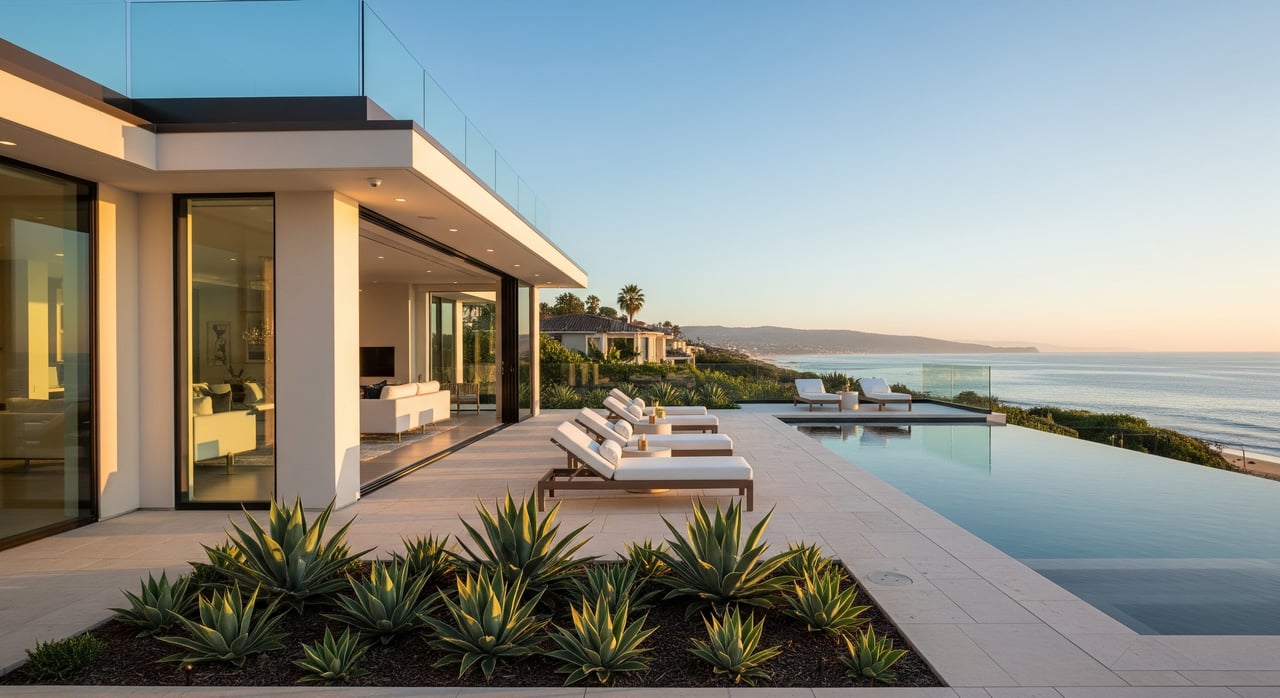
Pricing two ocean-view homes on the same street can feel like comparing art pieces. The view is the star, but not all views are equal, and buyers pay more for specific qualities that last. If you are buying or selling in Corona Highlands, you deserve a clear path to value. This guide shows you how to quantify the “view premium” using local factors like view corridors, elevation, frontage, condition, and nearby trades so you can price with confidence. Let’s dive in.
What drives the view premium
View corridors and view quality
A view corridor is the unobstructed line of sight from your main living spaces to the ocean or coastline. Quality is a spectrum. You should assess breadth (panoramic vs narrow), depth (how much coastline), and continuity across key rooms and levels. Also note foreground clutter like roofs, vegetation, or utility lines that can dilute the effect.
Pay attention to the primary focal point. Ocean horizons, coastline, harbor, or sunsets can influence buyer excitement. Seasonal conditions matter too. Marine layer and fog frequency can change the experience at different times of day. Privacy counts. Protected views from private terraces or yards usually command more than the same view from public-facing areas.
Local rules can shape your expectations. Some properties benefit from recorded view easements or city massing limits that help preserve sightlines. Others do not. There is no universal view-protection statute in Corona del Mar. Always verify protections through recorded instruments or local planning policies before treating a view as permanent.
Elevation advantages
Elevation above sea level often expands the horizon and reduces the chance that nearby roofs or landscaping will clip the view. Use reliable sources to estimate elevation at the primary living floors. If your main living areas sit higher, you typically gain breadth and long-term reliability against low-rise obstructions. That said, distance and angle still matter. A higher home set too far back with limited frontage may not capture full value.
Frontage and orientation
Frontage is the linear width facing the sightline. Wider frontage usually means more rooms with direct ocean exposure and better space for terraces that monetize the view. Orientation also plays a role. True ocean-facing frontage is stronger than angled exposure, and corner or curved-street lots can deliver wrap views that widen appeal. On sloped parcels, terraced yards and decks can amplify view capture.
Condition and layout
Your layout controls how much of the theoretical view premium you can actually capture. Cosmetic updates can help if the sightlines are already there. The bigger movement comes from reconfiguring key rooms to face the view, adding glazing, or opening walls to create an indoor-outdoor connection. Structural additions that raise living levels can create new view planes, but they involve permitting, cost, and neighbor considerations. Not every dollar spent will return dollar-for-dollar in value. Appraisers look at comparable sales and functional utility to judge how much of the premium is real.
Privacy, access, and risk
Busy coastal roads, high visibility from public areas, or noise can reduce how much buyers are willing to pay even when the view is strong. HOA rules and CC&Rs may limit exterior changes or landscaping that protect or enhance sightlines. Coastal risk factors such as bluff stability, flood exposure, and insurance considerations can weigh on price. Buyers and appraisers increasingly consider long-term coastal risk when assigning value.
How to quantify your view premium
Start with a paired-sales analysis
The paired-sales method is practical and defensible.
- Identify two nearby sales that match closely on non-view traits such as size, lot, beds, baths, parking, condition, and time of sale. One should have the ocean view and the other should not.
- Adjust for any remaining differences using local price-per-square-foot and standard feature adjustments.
- Attribute the final price difference to the view. Express the result as a dollar amount, a percentage uplift, or a per-square-foot figure.
- Use several pairs if possible to find a median and a range. This captures variability and strengthens your case with buyers and appraisers.
A simple example for illustration: An adjusted ocean-view sale at 3,200,000 vs a comparable non-view sale at 2,700,000 suggests a 500,000 premium, or about 18.5 percent above the non-view price. Actual premiums in Corona Highlands depend on your home’s specific elevation, frontage, and view quality.
Use elevation and frontage data
Gather objective data to support your conclusion. Measure the elevation of the main living floor, note the linear frontage toward the ocean, and record your lot’s orientation. Pair these with photos from multiple vantage points and times of day. You should also note whether the same view continues across rooms and levels. This documentation helps substantiate your premium to buyers and their appraisers.
Build a pricing band, not a point
Treat your result as a range rather than a single number. Market cycles, inventory, and interest rates can move quickly. Create low, median, and high scenarios based on your matched pairs and live inventory. Then weigh privacy, noise, and risk factors to choose a confident list strategy.
Present evidence buyers trust
Package your support like an appraiser would:
- Highlight matched comps with photos and line-of-sight notes.
- Include elevation measurements, frontage figures, and orientation details.
- Show how you adjusted for non-view differences before isolating the view premium.
- Explain any time adjustments if you used older trades in a slower market.
Remodels that unlock view value
Cosmetic: quick wins
If the view is already strong, cosmetic updates and high-quality staging can help buyers feel the connection faster. Keep sightlines open, update window treatments to maximize glass, and use neutral finishes that let the ocean be the focal point. These steps can improve marketability and help you capture more of the premium that already exists.
Reorient living spaces
Changes that move the kitchen or great room toward the view are often worth more than surface updates. Consider larger sliders, picture windows, or a reworked floor plan that connects indoor living to a terrace. Buyers pay for spaces where daily living embraces the view.
Additions and rebuilds
Adding a level or elevating primary living areas can create a new view plane. This strategy can deliver a major premium in the right setting, but it comes with permitting risk, cost, and potential neighbor concerns. A purpose-built, ocean-facing new build on a lot with prime frontage or elevation often captures the highest premiums in the submarket.
Cost vs value reality
Track outcomes from recent remodels and new builds nearby to understand local price-per-square-foot patterns. Appraisers and buyers value the improved utility and verified comps, not simply the project cost. Favor changes that reduce permit risk and provide a clear visual benefit, like expanding glazing, building functional outdoor spaces, or removing non-structural obstructions where feasible.
Reading Corona Highlands comps
What to match first
In Corona Highlands, match elevation, frontage, and view direction before you rely on proximity alone. A nearby street with different topography can produce a very different sightline. If recent closings are limited, you may expand the time window, then adjust for market shifts. Pending sales can be useful for sentiment, but closed sales carry more weight with appraisers.
Watch for hidden signals
Look for signs of buyer motivation such as multiple offers, contingencies, and price reductions. Verify the scope of any “recent remodel” so you can separate true view-capture upgrades from cosmetic refreshes. Carefully review off-market or estate sales that might not represent market value.
Track nearby development
New construction or permitted additions near your sightline can change your long-term premium. Review permit histories, HOA rules, and recorded easements to understand what can be built and how massing rules might influence your view corridor in the future.
Red flags and protections
Risks that shrink premiums
- Views that rely on a single neighbor’s rooftop or yard clearance.
- Known or likely obstructions from permitted builds or tree growth.
- Coastal exposures such as bluff erosion or flood zones that affect insurance and resale comfort.
- HOA restrictions or elevated fees that limit exterior modifications or terrace use.
Smart contract terms
As a buyer, protect your position with contingencies for view verification and full disclosure of any easements or pending permits. Consider an appraisal contingency if you are paying a large view premium. As a seller, prepare a package of photos, elevation data, and paired-sales evidence to justify your pricing and to support the appraiser’s file.
Seller and buyer checklists
If you are selling
- Document your view from multiple rooms and times of day, including sunset.
- Measure elevation at the main living floor and note linear frontage and orientation.
- Identify recent comps that match on elevation and frontage; run a paired-sales analysis.
- Remove visual clutter, enhance glazing, and stage to emphasize the horizon.
- Prepare a pricing range with low/median/high scenarios and support each with comps.
If you are buying
- Define the view you value most: panoramic horizon, coastline stretch, harbor, or sunset.
- Confirm how many rooms share the view and whether it is private or public-facing.
- Check elevation, frontage, and nearby permits to gauge long-term reliability.
- Ask for seller documents on view easements, HOA rules, and any recorded constraints.
- Use paired comps to decide how much of a premium you will pay today.
Next steps
If you want a pricing plan that stands up to buyers, appraisers, and today’s coastal conditions, anchor your strategy to view corridors, elevation, frontage, layout, and real trades. Present your home like a valuation case study so the premium is clear and defensible. For buyers, define the view you want and confirm its durability before you pay for it.
For a confidential, evidence-based plan tailored to Corona Highlands, connect with Casey Lesher. Request a Confidential Market Consultation.
FAQs
How do I estimate the “view premium” for a Corona Highlands home?
- Start with paired-sales comparisons that match size, condition, and timing, then isolate the price difference attributable to the view. Use several pairs to create a premium range.
What property details matter most when pricing an ocean view in Corona del Mar?
- Elevation of the main living floor, linear frontage, orientation, view continuity across rooms, and the presence of clutter or privacy issues are primary drivers.
How do elevation and frontage influence long-term value in Newport Beach?
- Higher elevation can widen the horizon and reduce future obstruction risk, while wider frontage allows more rooms and terraces to face the ocean, increasing perceived and appraised value.
What remodels best increase view-driven value before listing?
- Reorient key rooms toward the ocean, expand glazing, and create functional outdoor spaces; these steps typically capture more of the view premium than cosmetic updates alone.
How should buyers verify a view’s durability in Corona Highlands?
- Review recorded easements, HOA rules, permit histories, and local massing limits; inspect at different times of day and confirm there are no pending builds that could block sightlines.
Why present a pricing range rather than one list number?
- Premiums shift with inventory, interest rates, and buyer sentiment. A low-to-high range anchored by comps and view metrics helps you price confidently and negotiate with evidence.