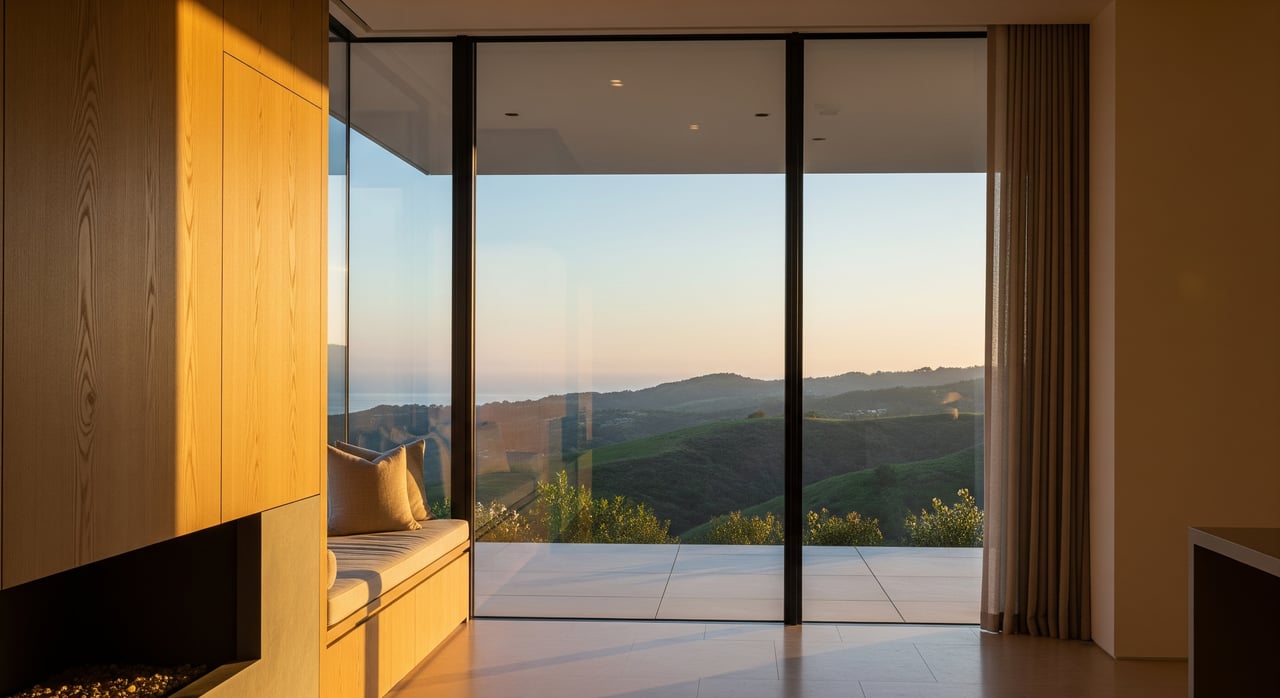
You only get one chance to frame a great view. Whether you are remodeling for resale or refining a lifelong home, the way you plan glass, windows, and light will either unlock your panorama or compete with it. If you are working on a coastal, Spyglass Hill–type property, small design choices make a big difference in how the ocean and harbor read from inside your home. In this guide, you will learn how to plan sightlines, choose the right glazing, and select railings that look clean in photos and stand up to code and coastal conditions. Let’s dive in.
Clarify your view context
Spyglass Hill commonly refers to coastal neighborhoods known for ocean and harbor panoramas. Quail Hill in Irvine is inland and typically does not offer the same direct water views. If you are planning a coastal project but reading from Irvine, be clear about which property you are designing. The strategies below target ocean and harbor exposures, though many principles also help city and canyon vistas.
Start by confirming:
- Elevation and orientation relative to the water. West to southwest exposures often deliver the most dramatic sunsets.
- What can change. Check neighboring structures, vegetation growth, and any municipal view easements or restricted ridgelines.
- Permanence of the view. Ask how likely future development could block or narrow your sightline.
Plan sightlines first
Your floor plan should serve the view, not the other way around. Define three tiers of views and place rooms accordingly.
Map primary, secondary, framed views
- Primary view: the widest, most important panorama. This should set the axis for living, dining, and the primary suite.
- Secondary views: partial vistas or distant landmarks visible from secondary spaces.
- Framed views: smaller, intentional vistas created by architecture or landscape.
Align rooms and interior axes
Aim major axes toward the primary view so your eye is pulled outward. Consider typical head height as you stand or sit in each space. Choose sill heights with furniture layouts in mind so the view remains below your line of sight when you are seated.
Set sill heights and vertical glass
Floor-to-ceiling glazing maximizes connection, but it can introduce privacy, glare, and structural tradeoffs. Lower sills in the range of 24 to 36 inches often create an anchored, cinematic feel while allowing furniture placement. Confirm exact heights with your design team and verify bedroom egress rules where required.
Reduce obstructions
Even small visual interruptions at the horizon can break the effect. Design to minimize both interior and exterior blockers.
Minimize interior breaks
Avoid wide mullions at view focal points. Use engineered headers and long-span systems to reduce vertical posts. Consider multi-slide or bi-fold doors that pocket completely so panels disappear when open.
Account for exterior elements
Review neighbor windows, structures, and trees that may grow into the view. Where available, obtain view easement information to understand rights and restrictions. Use a topographic survey and simple sun studies to map seasonal changes in light and shade.
Landscape to frame, not block
Select species with smaller crowns or deciduous habits if a winter view is part of the plan. Terracing or low site walls can lift the viewing plane without adding building height that might trigger additional reviews. Align exterior decks with your interior sightlines so photos read as one continuous composition.
Select high-performance glass
Clarity is everything. Choose glazing that preserves color, manages heat, and meets safety and durability needs.
Prioritize clarity and color fidelity
- Low-iron glass reduces the green tint found in standard glass and keeps ocean color true.
- Spectrally selective Low-E coatings cut heat while maintaining visible light. For west-facing exposures, choose lower Solar Heat Gain Coefficient to tame late-day sun.
Layer for safety and comfort
- Laminated glass improves safety, security, and sound attenuation. Interlayers help hold fragments on impact and reduce UV transmission.
- Tempered glass is often required in doors and certain locations. Many coastal guard and door applications combine tempered and laminated layers.
Know the performance metrics
- U-factor: lower numbers mean better insulation.
- SHGC: lower numbers reduce solar heat gain; match to your orientation.
- Visible Light Transmittance: higher values deliver clearer, brighter views; low-iron glass boosts VLT.
- Air and water performance: select systems with verified ratings from recognized testing protocols.
- Acoustic ratings: consider STC or OITC if marina or roadway noise is a concern.
Choose frame and operable systems
Minimal-frame assemblies increase visible glass area. Thermally broken aluminum, steel, or fiberglass frames help control condensation and energy loss. Fixed glazing offers the cleanest view, while pocketing multi-slide doors create seamless flow when open. Confirm space for pockets, structural support, and weather detailing. Use coastal-rated sealants and edge bonding to protect laminated and curtain wall systems.
Control daylight and glare
Ocean sunsets are beautiful and bright. Plan for comfort and photo-friendly interiors.
- Study seasonal solar angles. West and southwest glazing often needs special attention to late-day heat.
- Combine coatings, architectural shade, and landscape. Overhangs, porches, and strategic planting control glare without tinting the glass.
- Layer interior shading. Use motorized shades or light-diffusing treatments to manage glare when needed without living with a darker view all day.
Choose transparent railings
Guard systems should feel safe and disappear visually. Select based on your priorities for transparency, maintenance, and budget.
Frameless glass balustrades
Frameless panels provide the cleanest, most continuous view. They require engineered anchorage, laminated tempered glass, and marine-grade hardware. Plan for cleaning access because any residue shows in photos.
Semi-framed glass systems
Post-and-rail systems with glass infill are often more cost-effective and easier to anchor. A top rail adds stiffness and can be a smart compromise when a fully frameless look is not practical.
Cable rail and metal balusters
Cable rails create minimal obstruction but read as thin horizontal lines, which may slightly interrupt horizon compositions in photos. Vertical balusters can feel more discreet in some settings. Confirm spacing and tension so the system meets code over time.
Code and safety checks
Guards are commonly required where walking surfaces are more than about 30 inches above adjacent grade. Baluster spacing and permeability rules prevent fall and entrapment hazards. Glass in guard applications must meet safety glazing standards. Handrails or top rails may be required depending on configuration and local interpretation. Verify requirements with your design team before you build.
Build for coastal durability
Coastal air is hard on metal. Specify marine-grade stainless steel, often 316, or coated aluminum for posts, rails, and fasteners. Use replaceable hardware and consider anodized or powder-coated finishes with appropriate warranties.
Photograph and appraise the view
The way your view photographs can influence buyer perception and value capture.
Make the view photograph well
Golden hour light, just after sunrise or before sunset, flatters both water and interiors. Turn interior lights off at twilight to reduce reflections on glass. Use polarizing filters when photographing to cut surface glare, and keep nearby finishes matte so they do not bounce light back to the glass. Open doors or pocket panels to show unobstructed indoor-outdoor flow.
Understand how appraisers value views
Appraisers commonly consider directionality, quality, permanence, and local comparables when assigning a view premium. Permanent improvements that enhance the primary view, expand usable exterior space, and match neighborhood finish levels are most likely to reflect positively in value. Highly customized features that exceed neighborhood norms may not fully recoup cost. If return on investment is critical, consult a certified residential appraiser early in planning.
Team, permits, and HOA
Coastal projects involve more review. Plan approvals in parallel with design so timelines stay realistic.
Know your regulatory framework
California Building Code governs structural, guard, and glazing safety. Safety glazing standards referenced in practice include ANSI Z97.1 and CPSC 16 CFR 1201. Municipalities may add local amendments or coastal overlays. Homeowner associations often regulate exterior materials, railing types, sill heights, visible glass treatments, and exterior lighting. Start approval packages early.
Watch for common permit triggers
Structural changes, such as removing exterior walls for wider openings, typically require permits and engineering. New or altered guards above threshold heights almost always trigger review. Exterior glazing that affects bedroom egress or fire separations may also be reviewed. Confirm specifics with your local building department.
Assemble the right professional team
- Architect or design professional for sightline drawings, sun and view studies, and a fenestration schedule.
- Structural engineer to design headers or transfer structures and guard anchorage.
- Glazing contractor or fenestration manufacturer for performance data, sample panes, and warranty details.
- Coastal-experienced metal fabricator for railings and hardware.
- Landscape architect to frame views and screen less desirable elements.
- Local permitting consultant or expeditor if you are navigating coastal or HOA approvals.
Request key deliverables: elevation and section sightline diagrams, NFRC performance specs for glass, interlayer details for laminated units, and anchor schedules rated for coastal exposure.
Maintenance essentials
The best view is a clear one. Build maintenance into the plan so performance lasts.
- Schedule regular glass cleaning, especially near salt spray. Plan safe access and consider removable panels where appropriate.
- Inspect stainless fasteners and hardware annually for corrosion.
- Monitor sealants and laminated glass edges for wear or delamination over time.
- Service motorized shades, screens, and pocket door systems on a regular cadence.
Quick decision checklist
- Confirm your exact neighborhood and whether the ocean or harbor view is permanent.
- Verify local building code, any coastal overlay, and HOA rules early.
- Complete a sightline and sun path study before finalizing window heights and deck placement.
- Choose glazing by orientation: low-iron with the right Low-E coating and laminated layers for primary panoramas.
- Specify marine-grade metals and corrosion-resistant hardware for coastal exposure.
- Use minimal frames or pocketing doors when an unobstructed view is the priority, and budget for structural support.
- Weigh frameless glass, semi-framed glass, and cable rail against maintenance, photography, and HOA acceptance.
- Consult a local appraiser if value capture is a key objective.
When you design for views with intention, you enjoy your home more now and position it for stronger results when you sell. If you want to discuss which upgrades will photograph best and translate into market value in coastal Orange County, our team is here to help. Request a confidential conversation tailored to your property and goals.
Ready to align your remodel with premium market outcomes? Connect with the team at Unknown Company to Request a Confidential Market Consultation.
FAQs
What glass type gives the clearest ocean color?
- Low-iron glass minimizes green tint and, paired with the right Low-E coating, keeps ocean color truer while managing heat.
How do cable rails compare to glass for photography?
- Cable rails read as thin lines that can slightly cut the horizon in photos, while frameless glass reads clean and continuous but needs diligent cleaning.
What SHGC works best for west-facing windows?
- Lower SHGC values are typically preferred for west-facing glazing to reduce late-day heat and glare; match the exact value to your site and coatings.
Do I need permits to replace windows with multi-slide doors?
- Structural changes that widen openings and add or modify guards commonly trigger permits and engineering; verify requirements with your local building department.
What should I clear with my HOA before I design?
- Confirm approved railing types, exterior materials, sill heights, visible glass treatments, and exterior lighting guidelines, and start submissions early.
How can view-focused upgrades affect resale value?
- Appraisers weigh directionality, quality, permanence, and local comps; permanent improvements that enhance primary views and livability are most likely to be reflected positively in value.